On 27 July 1982 the phone rings at Howard Scott Warshaw’s desk. On the line is Ray Kassar, the head of Atari. Atari has just bought the rights to the game of the year’s biggest film, E.T. the Extra-Terrestrial. Kassar wants it in the shops for Christmas. That means it has to be finished by 1 September.
Warshaw has five weeks.1
I need longer for my tax return. Warshaw makes it anyway, and Atari presses millions of cartridges. A year later, lorries drive into the New Mexico desert and tip Atari’s unsold stock onto a landfill.2
I’m telling you this story because I think we are living through it again. This time with software. It runs along the same chain every time:
Video games, 1982
- Faster, faster: E.T. in five weeks
- Too much of it: Over 400 games on the shelf
- Trust gone: Parents stop buying cartridges
- Crash: −97%
Music, 2000
- Faster, faster: Everyone records and shares
- Too much of it: Millions of songs for free
- Trust gone: Nobody pays for the album
- Crash: −50%
Software, 2026
- Faster, faster: Apps in an afternoon
- Too much of it: 557,000 new apps in a year
- Trust gone: Buyers can no longer tell quality
- Crash: Coming
When everything has to be fast, quality drops. When anyone can build, there is too much of it. When the shelf is full of junk, nobody buys. And then the market crashes.
Act 1: Atari, or how to ruin a shelf
Five weeks for E.T. fitted 1982 perfectly. That was how the whole industry worked.
Three years earlier, four developers had left Atari and founded Activision. That settled it: anyone could make games for the Atari 2600. David Crane, one of the four, later described how fast it went. Between two trade shows, in half a year, the number of publishers went from three to more than thirty.3
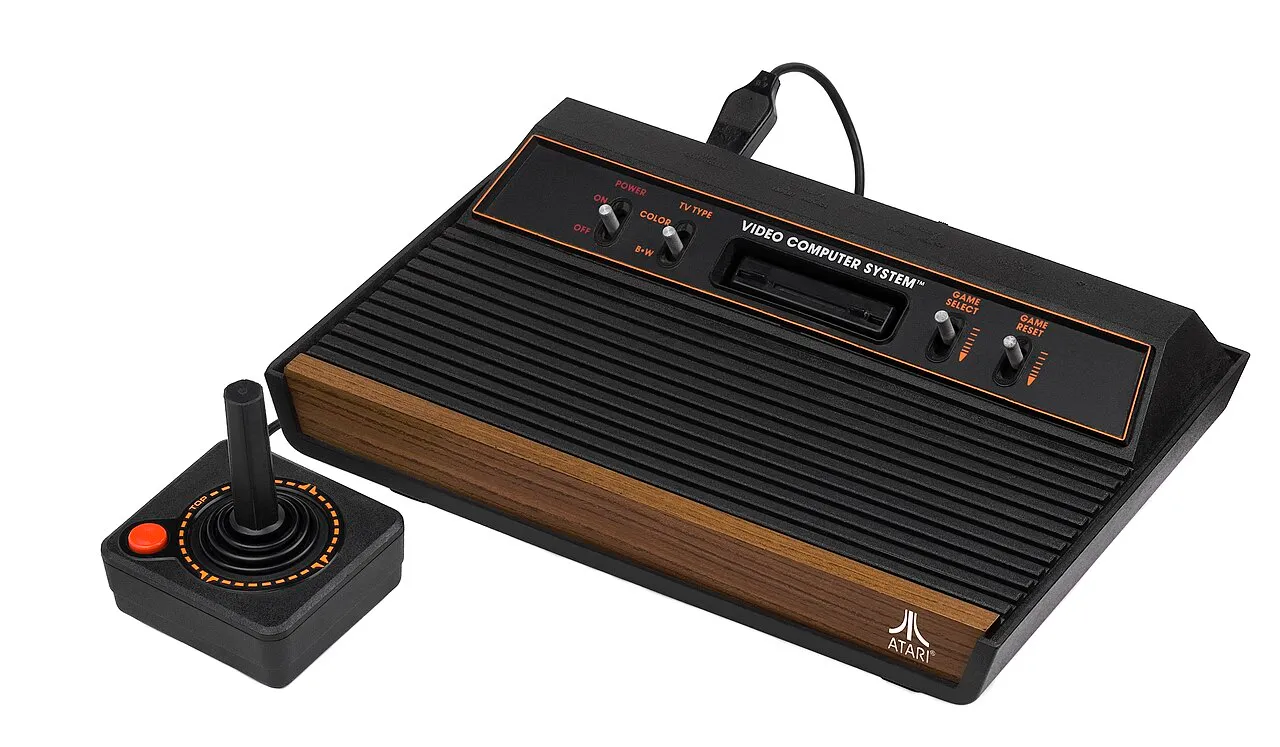

And anyone meant anyone. Quaker Oats, the porridge people, bought itself a games company.4 Purina, a dog food maker, had a game made in which you play a dog chasing a covered wagon. You couldn’t buy it in a shop. You mailed in proofs of purchase from dog food and got it by post.5 I would love to have been in that meeting.
In June 1982 there were about 100 games for the Atari 2600 in the shops. By December there were more than 400.6 And Atari joined in happily: it pressed about 12 million Pac-Man cartridges and sold 7 to 8 million.7
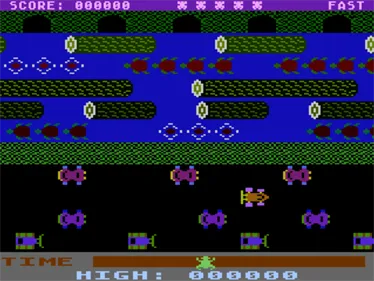
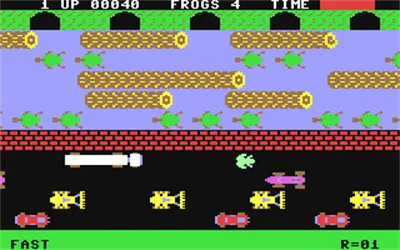
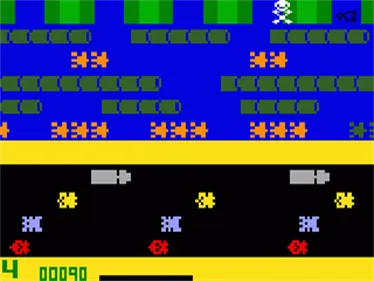
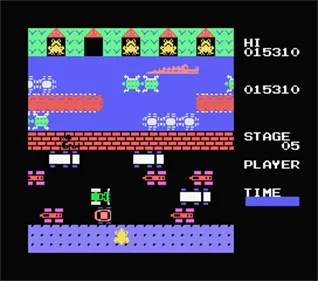
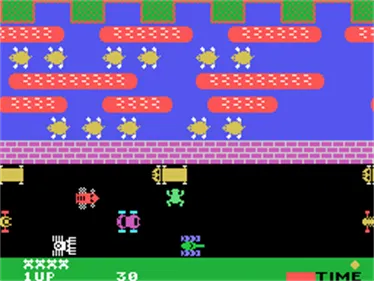
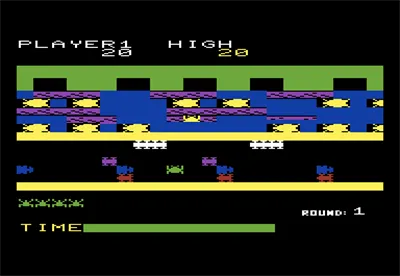
And much of it looked the same. Take Frogger, the frog that has to hop across a road and a river. It came out in arcades in 1981 and then on almost every device you could plug into a TV. Put the versions side by side:
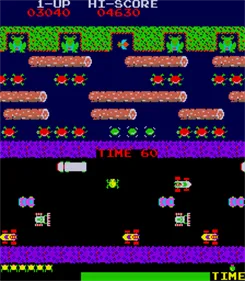 Arcade, 1981
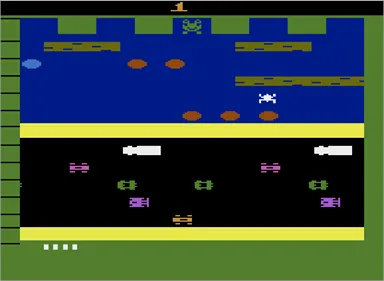 Atari 2600
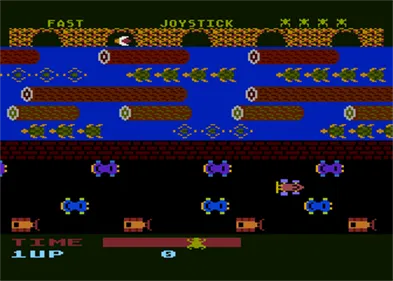 Atari 5200
 Atari 800
 Commodore 64
 Intellivision
 MSX
 TI-99/4A
 VIC-20
Screenshots from the LaunchBox Games Database.8 Frogger © Konami.
The same frogs, the same cars, the same logs. Nine machines, one game. Crash Course lines up the same row in its episode on the crash.9 If you didn’t have Frogger, you copied the next hit. In 1982 Atari sued Philips because its K.C. Munchkin looked too much like Pac-Man.10 Critics, by the way, liked the clone better than Atari’s own Pac-Man.10
Now imagine you are a father in a toy shop in 1982. In front of you, 400 boxes. Each has a great picture on it, each makes the same promise. You buy one, it’s rubbish. You buy a second, also rubbish. The third time, you simply buy nothing.
“These companies all failed, but not until they had built 1-2 million copies of the worst games you can imagine.”
2016.3
That is exactly what happened. Retailers were left sitting on the boxes. Games that had launched at 35 dollars lay in the bargain bin for 5.11 Then the shops cleared their shelves and didn’t want to hear the word video game again. Atari lost more than half a billion dollars in 1983.6
Two years, minus 97 percent.6
And then the lorries. In September 1983 they roll onto the Alamogordo landfill. When diggers open the site again in 2014, hundreds of onlookers stand at the fence hoping for millions of E.T. cartridges.12 The Atari manager from back then tells reporters it was 728,000 cartridges in total, across all games.13 E.T. was just the most famous face in the pit.
The end of Act 1: Nintendo stands at the door
The market is brought back in 1985 by a company from Kyoto that had once started out making playing cards. Nintendo brings the NES to America and simply turns the chain around.
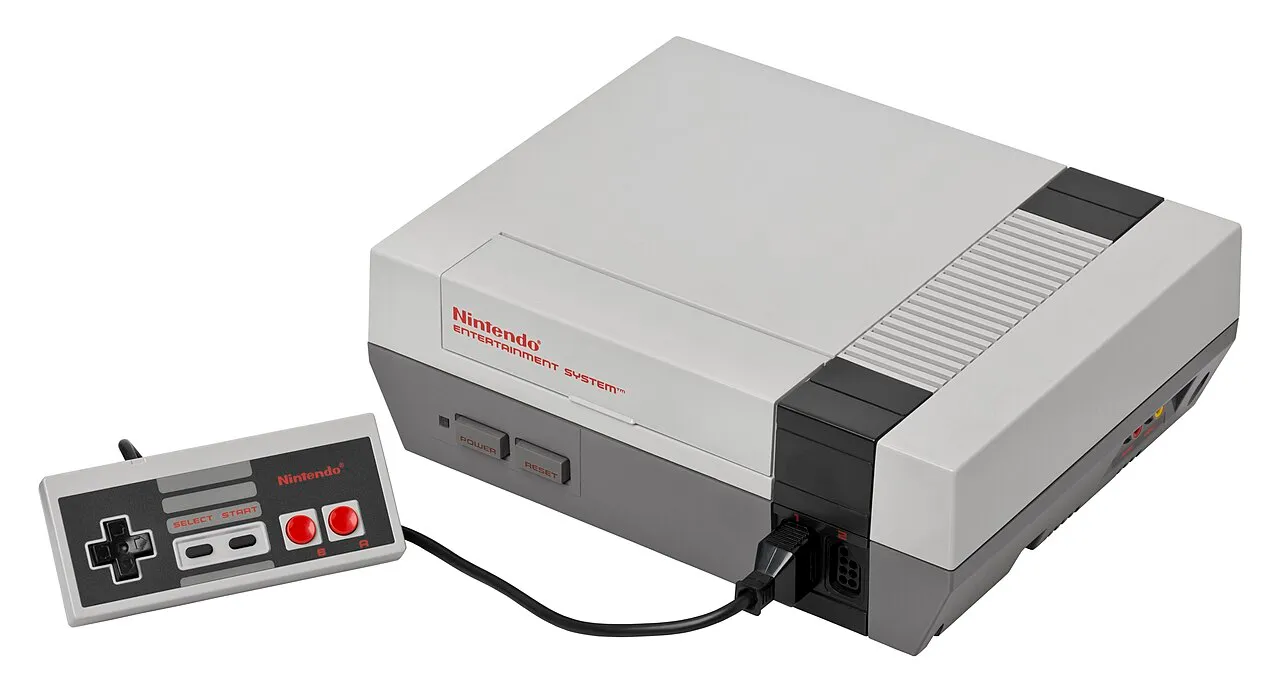

A chip in the machine makes sure only cartridges Nintendo has approved will run. Each publisher may release at most five games a year.14 And on every box sits a golden Seal of Quality.15 The seal tells the father in the shop exactly one thing: this game works.
Slower, fewer, checked. Nintendo needed nothing more to win the market back.
Act 2: Same song, this time with music
Twenty years later the film runs again, with a different cast.
Napster launches in 1999, and soon up to 80 million people are swapping songs on it.16 In April 2000 Metallica sues the file-sharing service. The band’s lawyers haul in a list of about 335,000 user names, and Napster blocks more than 300,000 accounts.16 The fans were delighted, as you can imagine.
After that, everything moves fast. With a laptop, anyone can record, anyone can release, anyone can share. Suddenly there is endless music, and much of it costs nothing. So why buy a whole album?
People stop paying. The US music market halves by 2015.17 Tower Records closes its last US shops at the end of 2006.18
In the end, music is saved by a doorman again. Today the playlist decides what you hear, and whoever isn’t on it uploads into a black hole. Of more than 200 million tracks on streaming services, almost half have ten plays or fewer.19 The playlist is music’s Nintendo seal.
Act 3: Software, autumn 1982
And now look at what is happening to software.
Faster, faster. With vibe coding20 you build an app in an afternoon that used to take a team months. Lovable reports 100,000 new projects a day.21 That’s Atari’s thirty publishers in under half a minute.
Quality gets crushed just as it did in 1982. Veracode had more than 100 AI models write code. In almost half of the tasks, the code contained one of the best-known security holes.22 A researcher looked at 1,645 showcase apps built with Lovable. In 170 of them, anyone could get at the data without logging in.23 That’s today’s dog food game, only with your customers’ data inside.
Too much of it. About 557,000 new apps appeared in the App Store in 2025, more than in years.24 The average company pays for 305 SaaS tools, and more than one licence in three is lying around unused.25 That’s the 1983 bargain bin, only with an annual contract.
Trust gone. Now you are the father in the toy shop, except today you are called a buyer. In front of you, forty tools that promise the same thing. And they even look the same. When everyone builds with the same AI tools and the same templates, you get the 1983 frog on eight consoles: the same font, the same gradients, the same three pricing tiers. Whether one of them was built over two years with security reviews or in an afternoon, you can’t tell from the outside. So you do what the father did in 1983: you buy less. In one survey, more than half of IT chiefs want to cut the number of their vendors.26
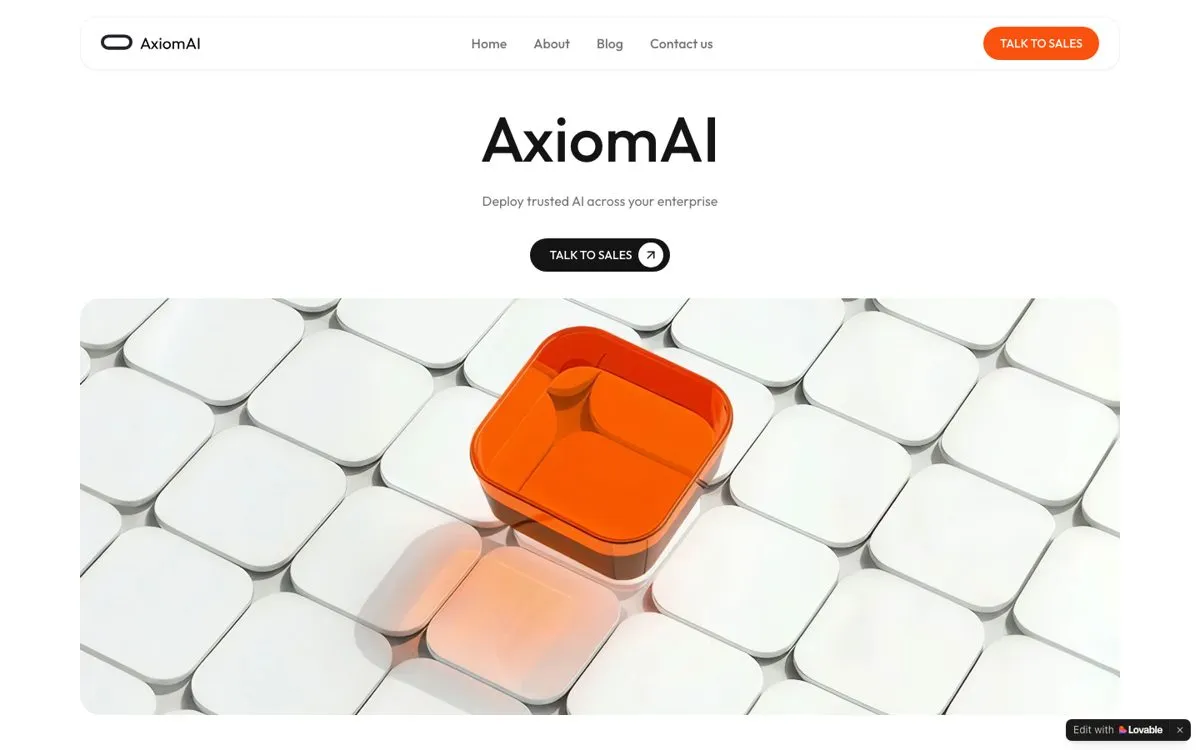
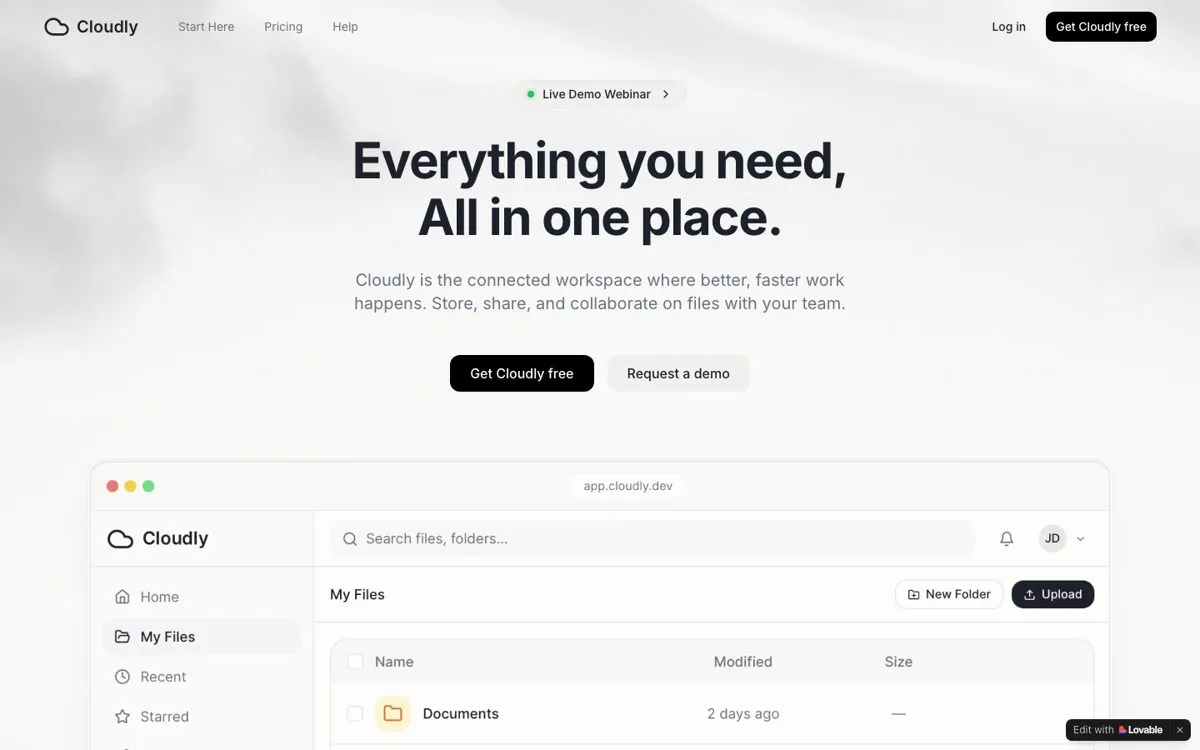
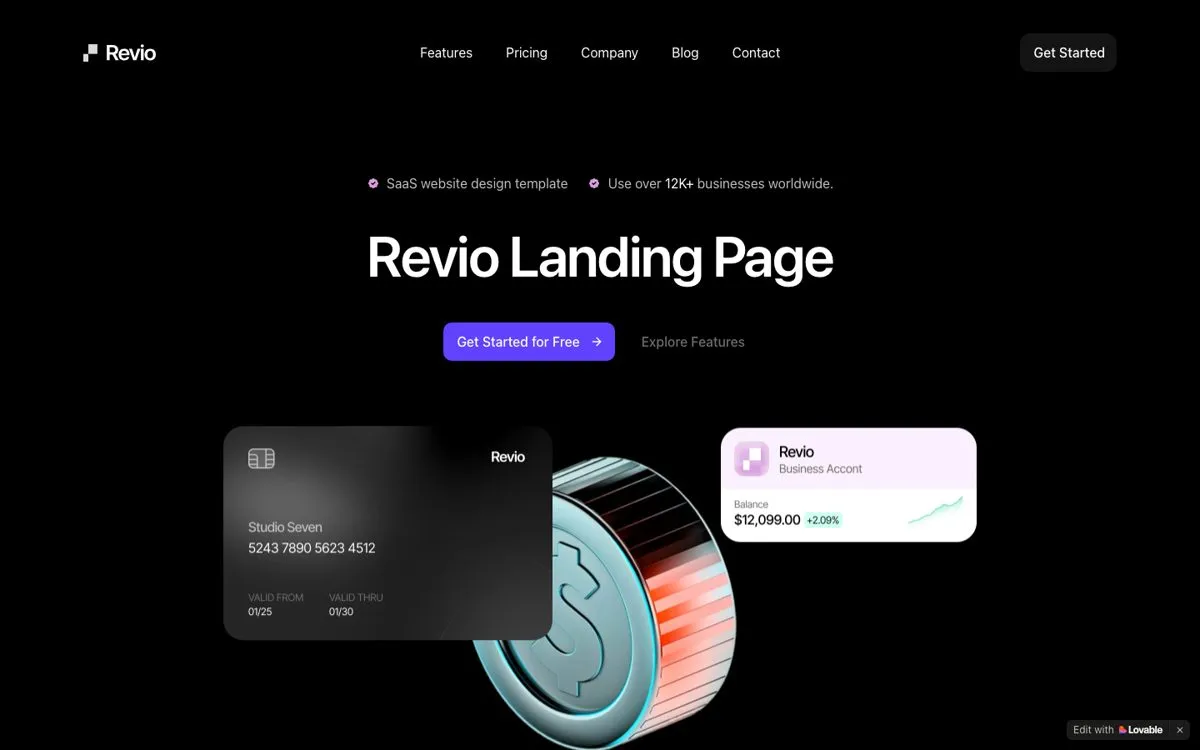
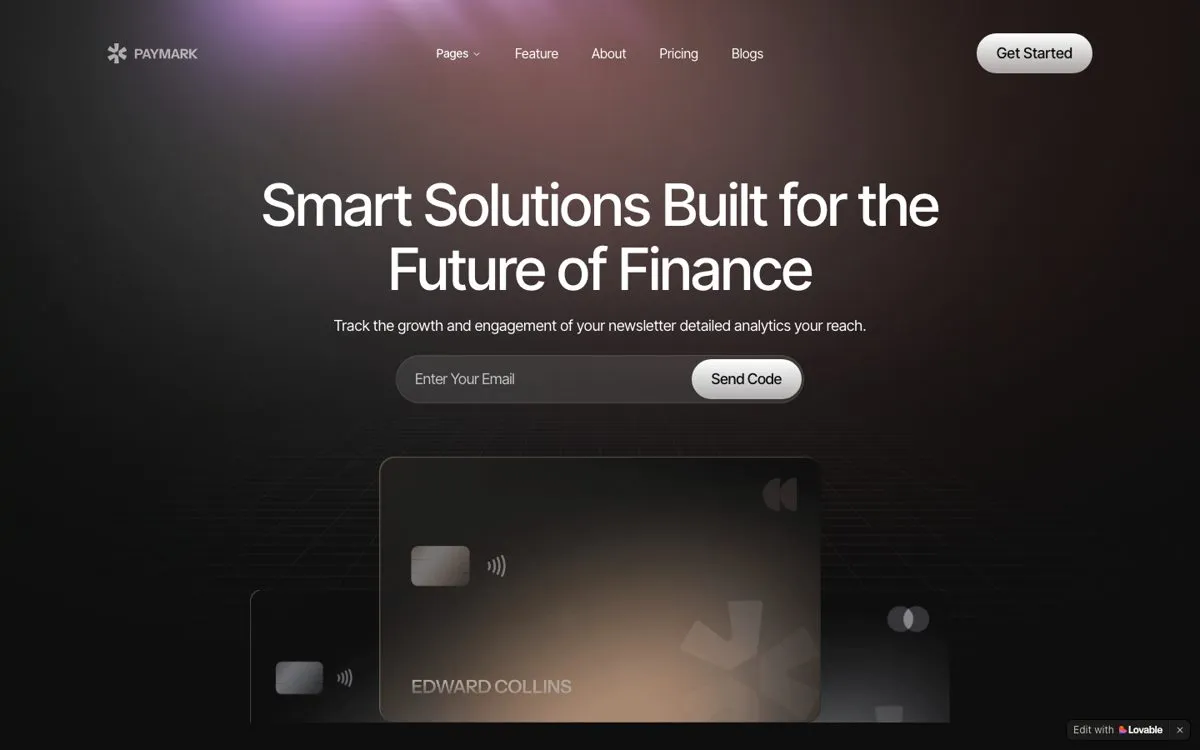
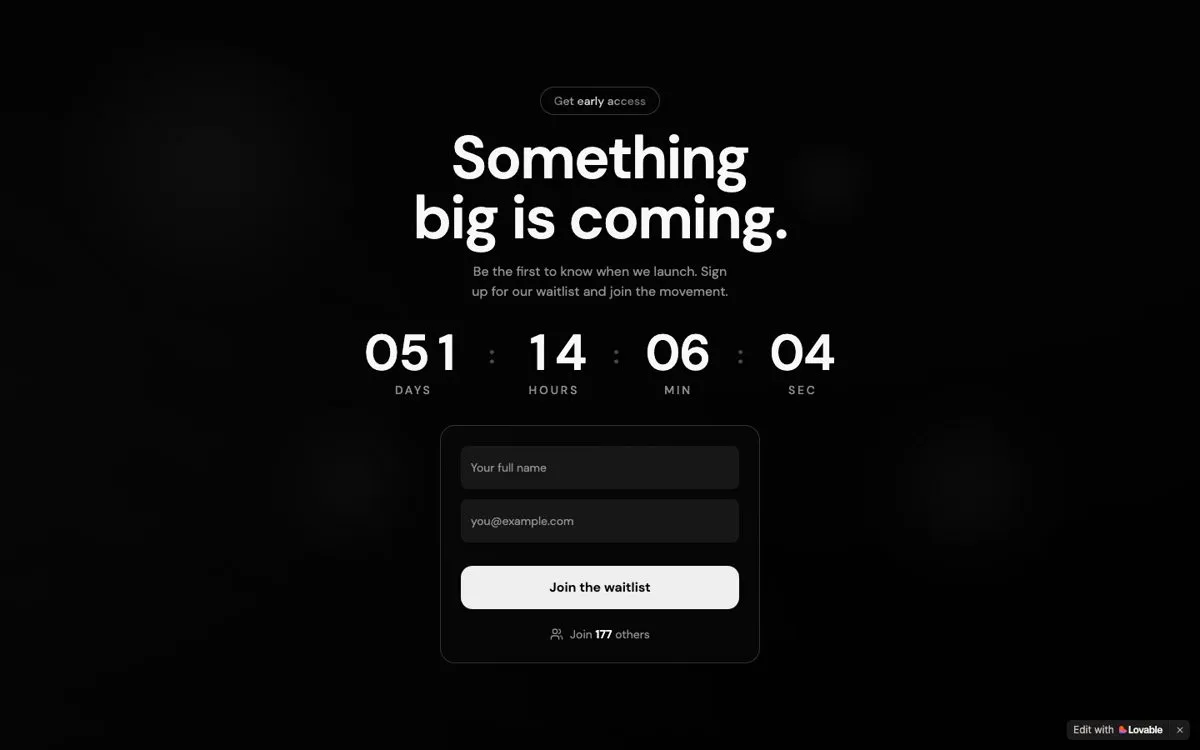
I looked at what Lovable itself offers as templates for SaaS sites, “Built with AI”, as it says there:
 AxiomAI
 Cloudly
 Revio
 Paymark
 Launchpad
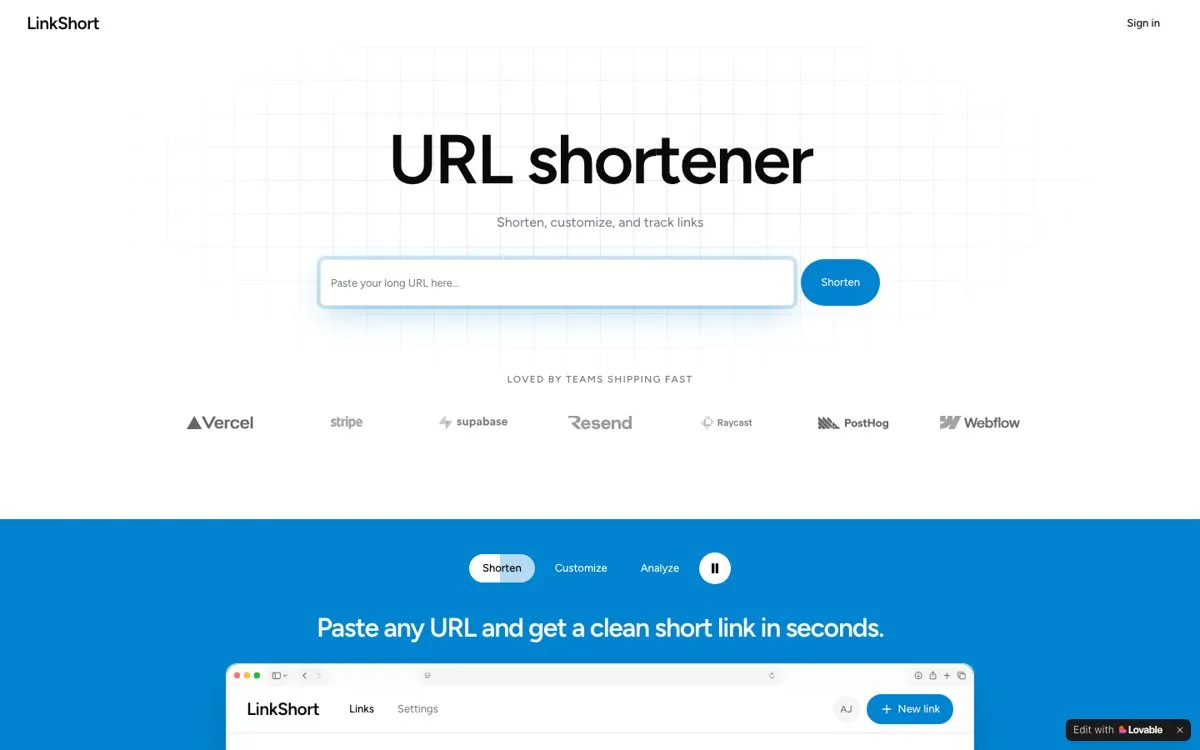 LinkShort
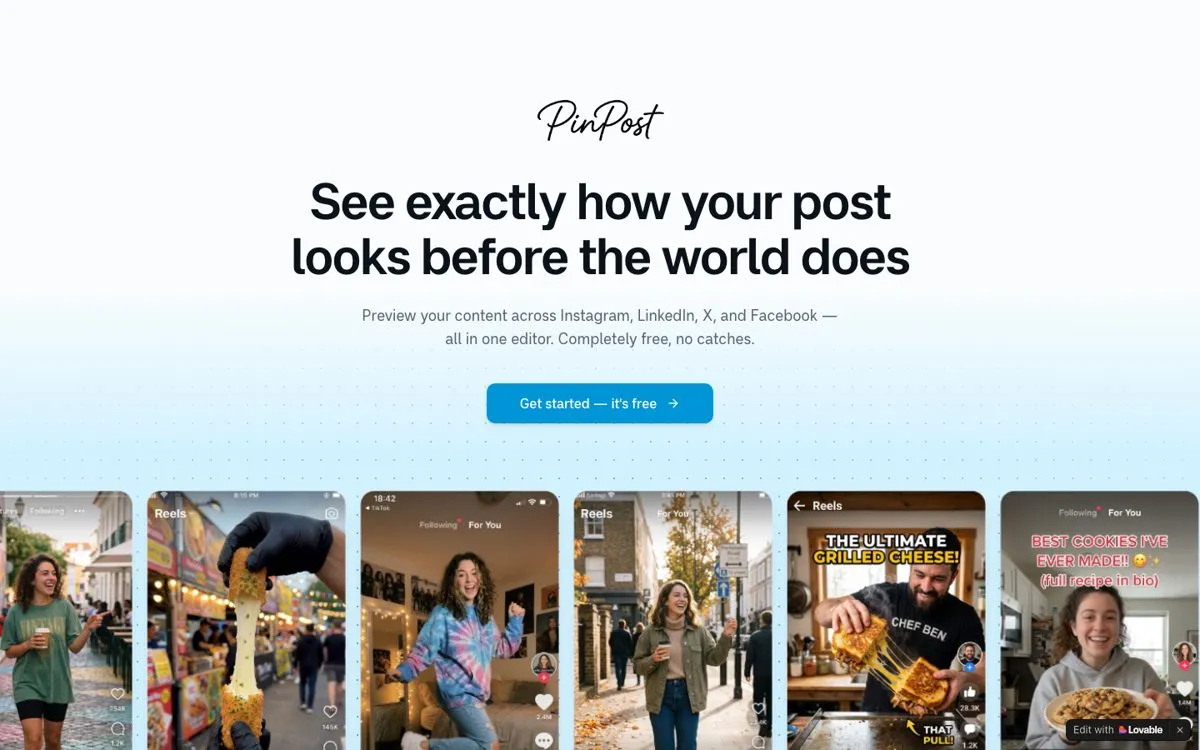 PinPost
 ClipCraft
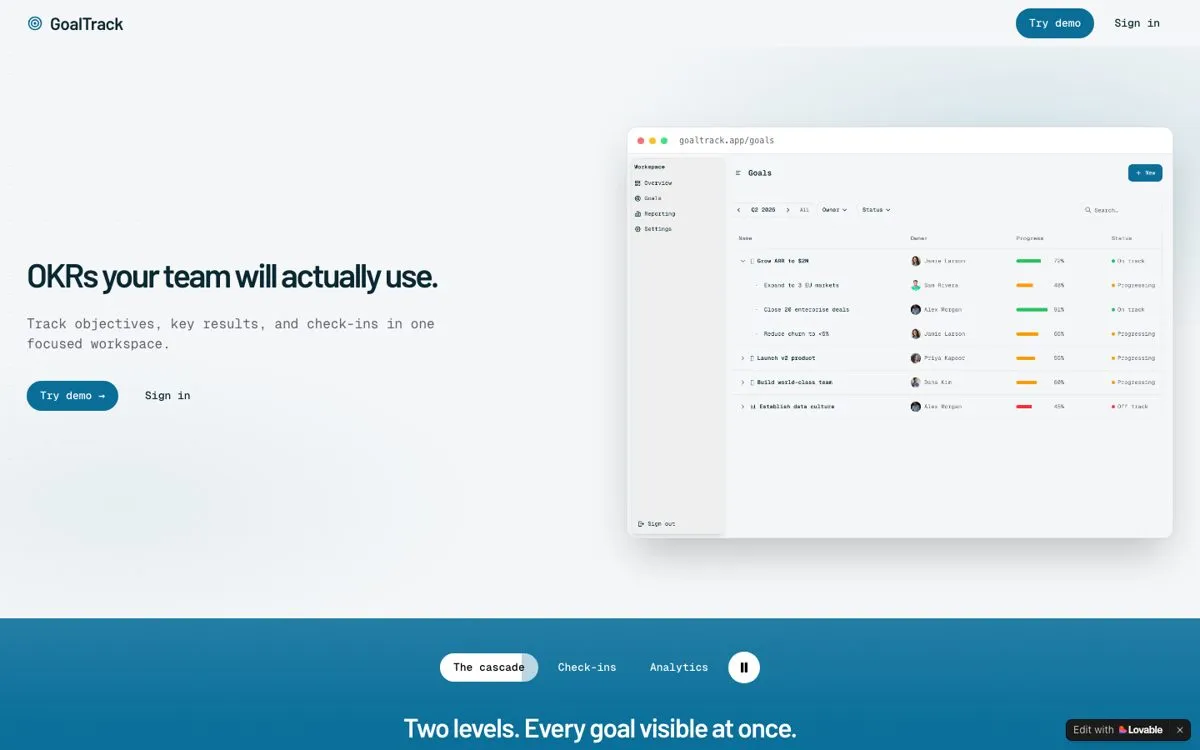 GoalTrack
Screenshots of the templates on lovable.dev/templates, taken on 10 November 2026.27
Big headline in the middle, a small badge above it, a dark button and a light one beside it, a picture of the product below. And in the bottom right corner, every one of them carries the same little label: “Edit with Lovable”. That’s the 1983 frog, this time on subscription.
The stock market has already felt the first jolt. Between September 2025 and April 2026, software stocks lost more than a third of their value.28 They have recovered since. I think of it as the calm before the retailers clear the shelves.
How it ends
I think SaaS is in the autumn of 1982 right now. The chain has run through its third link, and the fourth is coming.
Software won’t disappear, any more than video games disappeared in 1985. But the crash will hit the middle: the many tools that were built fast, do the same as a hundred others and hope the buyer won’t notice the difference. Those end up in the desert.
The winners will be the ones who stand at the door, like Nintendo. Marketplaces that check what they sell. Vendors who stand behind their security and their data. Brands the buyer already trusts. And founders who build slower than the competition, and build something that works.
If you are building a SaaS company right now, ask yourself three questions. What keeps a customer with you when a competitor rebuilds your features in an afternoon? Who vouches for you when a buyer doesn’t know you? And where is your seal?
Howard Scott Warshaw, by the way, is now a psychotherapist in Silicon Valley who works with people from the tech industry.29 I think that fits.
If you want to talk about how not to end up in the desert, write to me: hello@uhlig.capital.
Notes and sources
-
David Crane in an interview with Arcade Attack, 2016. ↩ ↩2
-
LaunchBox Games Database, Frogger entries per system. ↩
-
James Heller to the Associated Press, via CBS News. ↩
-
Definition. The golden seal on licensed NES games. With it, Nintendo promised it had checked the game. ↩
-
RIAA: 14.6 billion dollars in 1999, about 7 billion in 2015 (RIAA 2015). ↩
-
Definition. Building software by telling an AI in plain language what it should do, while hardly reading the code yourself. ↩
-
45 percent of tasks (Veracode, July 2025). ↩
-
CVE-2025-48757, Intruder and Superblocks. ↩
-
54 percent in a Redpoint survey of 141 CIOs, via SaaStr. ↩
-
Lovable Templates, categories Landing Page and SaaS. ↩
-
The IGV software ETF fell by more than 37 percent. Reuters, via Kitco. ↩