




Uhlig Capital GmbH
Rosenheimer Straße 226
81669 Munich
Germany
The New Space Economy Is Entering Its Infrastructure Build Phase
The global space economy is projected to exceed $1 trillion by 2030, driven by satellite communications, Earth observation, space-based computing, defense applications, and the emerging space logistics sector. Launch costs have dropped by over 90% in the past decade, unlocking commercial use cases that were previously economically impossible. The space industry is transitioning from government-dominated programs to a commercial ecosystem where startups are building the critical infrastructure layer.
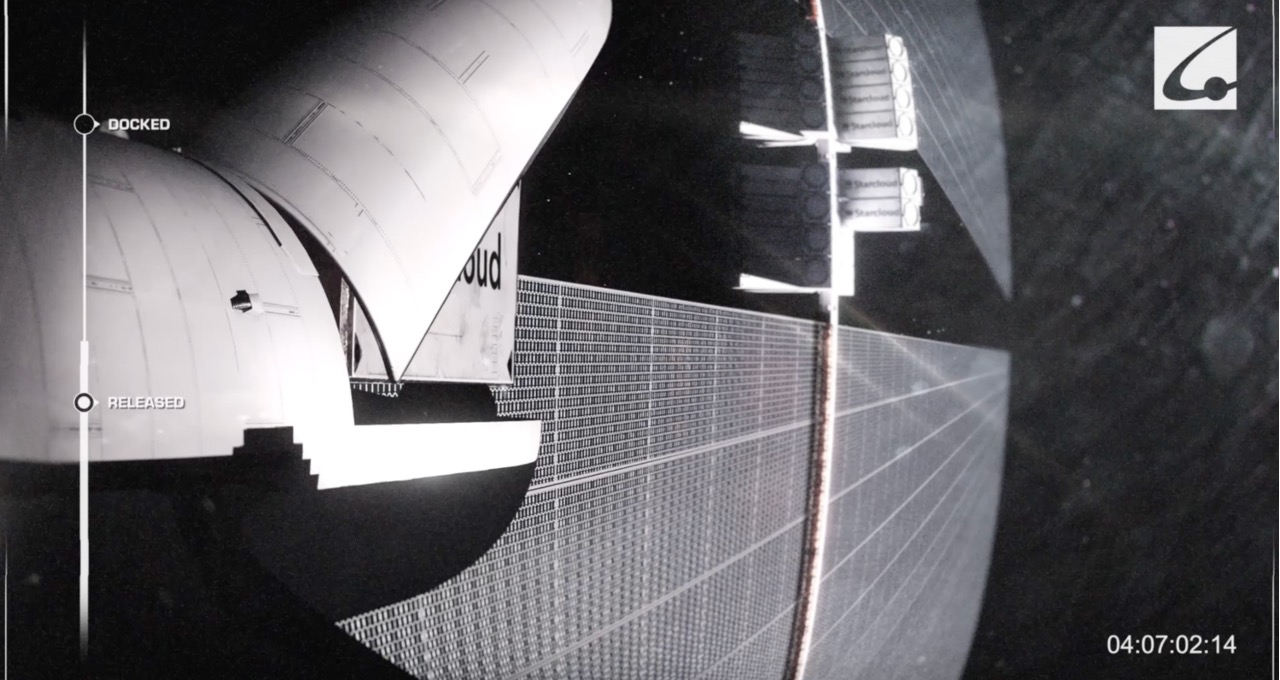
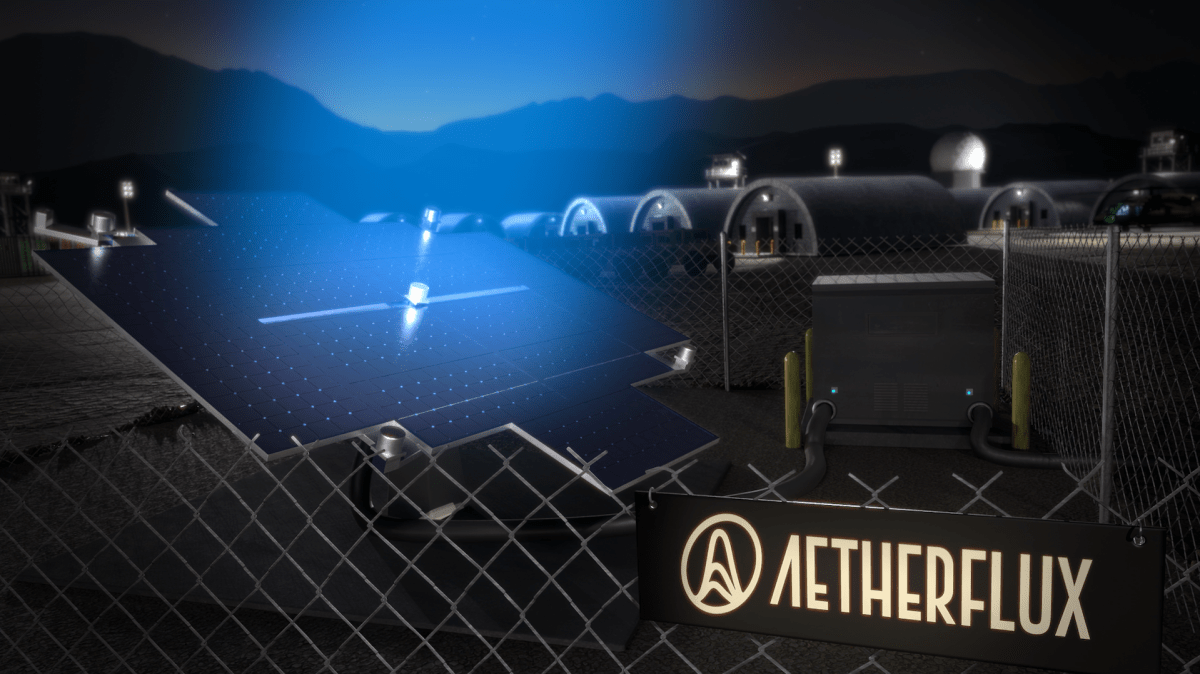
Current investment activity concentrates in three areas. Space-based services - including data centers in orbit (Starcloud), solar power transmission (Aetherflux), and satellite communications - are creating new value by co-locating compute and energy generation with space-based assets. Space logistics is emerging as a category, with companies like Inversion Space developing orbital delivery capabilities for both defense and commercial applications. And the defense space sector is growing rapidly as space becomes a contested domain requiring new capabilities in surveillance, communication, and rapid deployment.
The key insight for investors is that space is becoming an infrastructure category rather than an exploration category. The companies building the rails - communications, compute, energy, logistics - will capture the most durable value as the space economy scales.
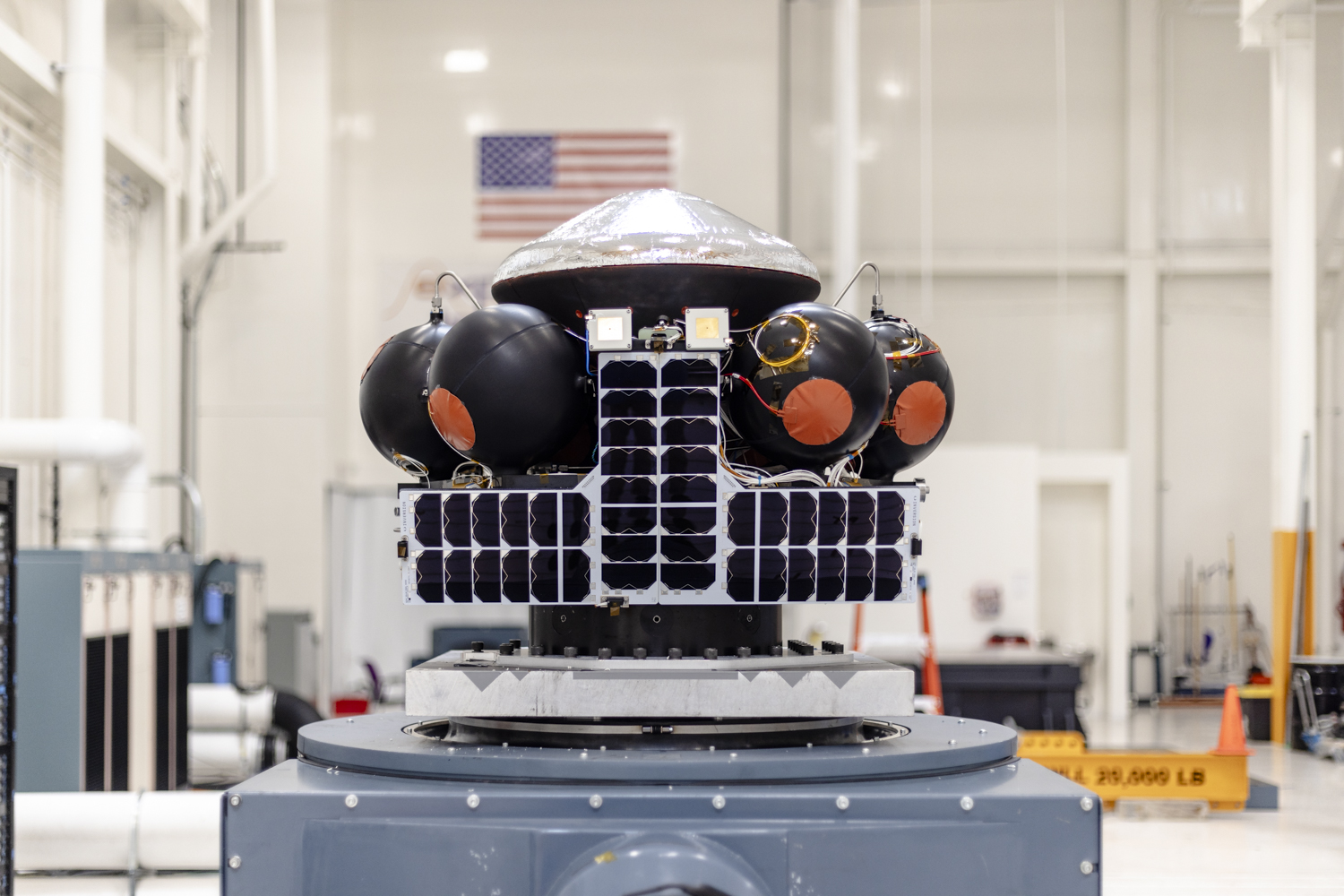
Uhlig Capital's space portfolio includes Aetherflux (space solar), Starcloud (orbital data centers), Inversion Space (space logistics, $70M STRATFI contract), and Hypersonica (hypersonic systems). These companies are accessed through fund managers like Nebular, SpaceVC, and Soma Capital who have built deep networks in the space technology ecosystem.
