




Uhlig Capital GmbH
Rosenheimer Straße 226
81669 Munich
Germany
Logistics Technology Is Digitizing the Physical Economy
The global logistics technology market is projected to exceed $100 billion by 2028, driven by e-commerce growth, supply chain complexity, and the persistent inefficiency of an industry that moves $12 trillion in goods annually but still relies heavily on manual processes, phone calls, and spreadsheets. The digitization of logistics represents one of the largest remaining opportunities in enterprise software.
Three categories are attracting the most investment. Transportation management systems (TMS) are being rebuilt as cloud-native platforms that replace rigid, expensive legacy systems with modern software accessible to mid-market operators. Freight brokerage and marketplace platforms are using AI to optimize matching between shippers and carriers. And space logistics - delivering cargo from orbit - is emerging as a genuinely new capability for defense and time-critical commercial applications.
The market structure favors vertical SaaS approaches. Logistics is fragmented across industries, geographies, and transport modes, creating opportunities for specialized platforms that understand the specific workflows and regulatory requirements of their segment. Companies that achieve system-of-record status within their niche build strong retention and pricing power.
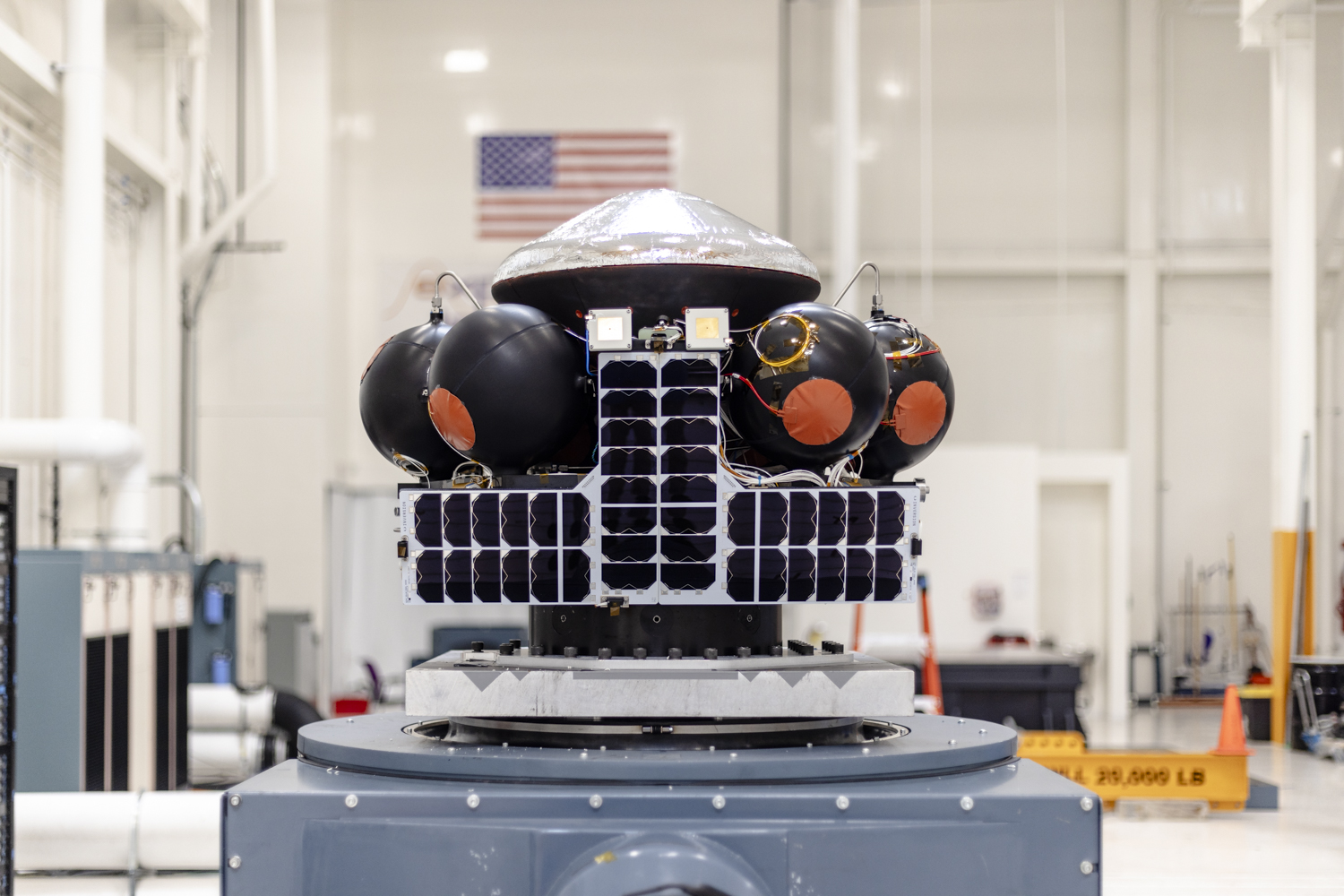
Uhlig Capital's logistics exposure includes Rose Rocket ($38M Series B, TMS platform), Inversion Space (space logistics, $70M STRATFI contract), and broader logistics technology access through fund managers like SNR and Soma Capital. The combination of terrestrial logistics software and frontier space logistics reflects the breadth of opportunity in moving goods more efficiently.
