



Uhlig Capital GmbH
Rosenheimer Straße 226
81669 Munich
Germany
Cybersecurity Spending Is Structurally Accelerating
Global cybersecurity spending is projected to exceed $300 billion annually by 2028, driven by escalating threat sophistication, expanding attack surfaces, and regulatory mandates that make security spending non-discretionary. Cybersecurity is one of the few enterprise software categories where budget growth is virtually guaranteed regardless of economic conditions - a breach is always more expensive than prevention.
The threat landscape is evolving faster than traditional security tools can adapt. AI-powered attacks, quantum computing threats to current encryption, and the proliferation of client-side vulnerabilities are creating demand for next-generation security solutions. Companies that apply AI defensively - automating threat detection, response, and remediation - are growing fastest.
Two emerging categories deserve particular attention. Post-quantum cryptography addresses the existential threat that quantum computers pose to current encryption standards. The "harvest now, decrypt later" attack model means organizations must adopt quantum-resistant cryptography years before quantum computers reach full capability. Client-side security is equally urgent as web applications rely on increasing numbers of third-party scripts that create invisible attack vectors.
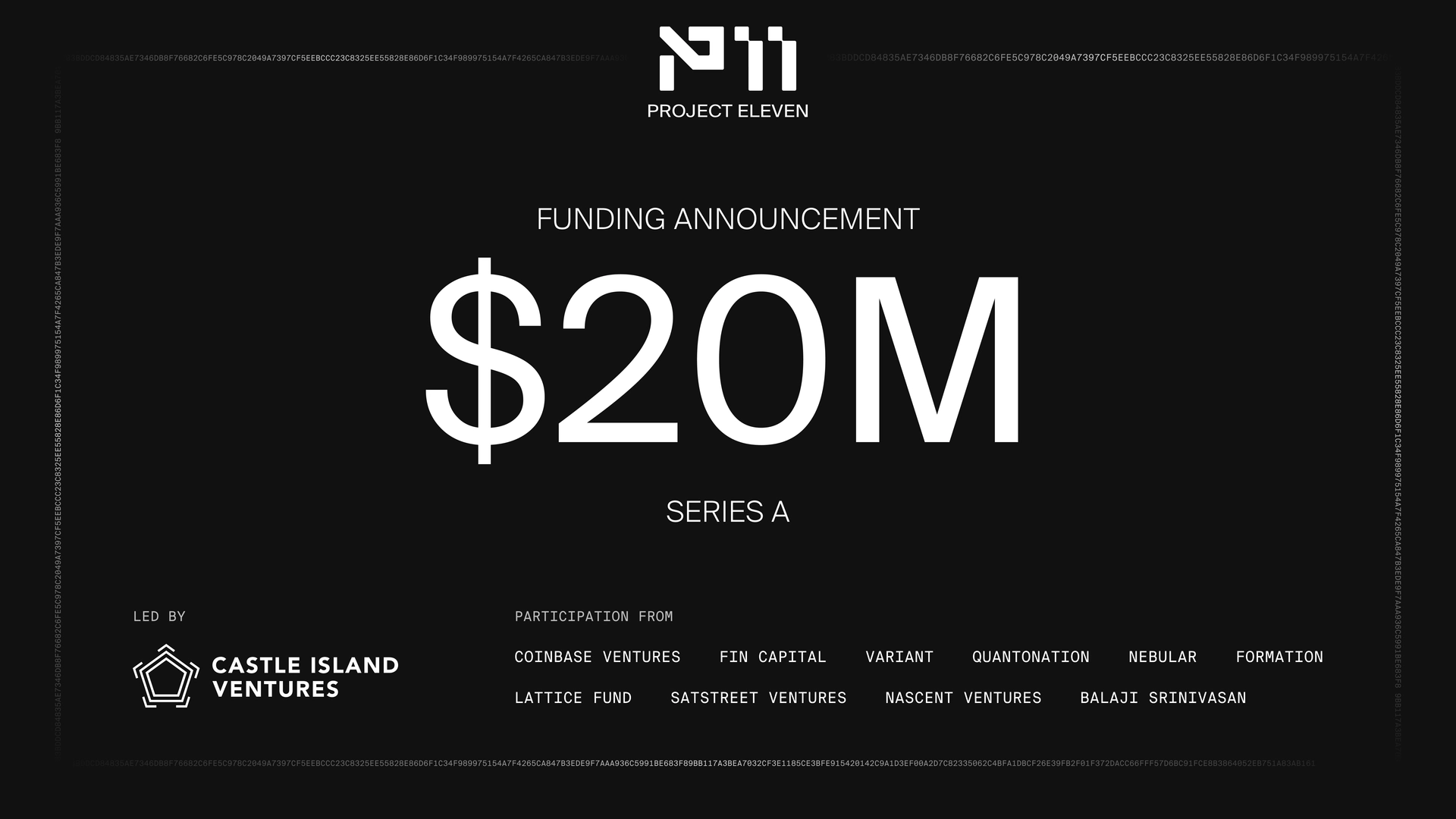
Uhlig Capital's cybersecurity exposure includes P11 ($20M Series A, quantum-threat cryptography), Feroot Security ($14M Series A, client-side web security), and Cape (privacy-first mobile communications). These companies are accessed through fund managers including Nebular, Formation, SNR, and Pax VC who have built strong networks in the security technology ecosystem.
