




Uhlig Capital GmbH
Rosenheimer Straße 226
81669 Munich
Germany
Climate Tech Has Moved From Mission-Driven to Market-Driven
Climate technology has evolved from a niche impact category into one of the largest venture investment themes globally. Annual climate tech venture funding has exceeded $60 billion, driven by the recognition that decarbonization represents a multi-trillion-dollar economic transition. The strongest climate tech companies succeed not because of environmental mandates but because they offer superior economics compared to incumbent solutions.
The investment landscape has shifted decisively toward commercial viability. The most compelling climate tech companies are those whose products deliver clear cost advantages: cheaper clean energy, more efficient industrial processes, reduced material waste, and lower operational expenses. Regulatory tailwinds from carbon pricing, ESG reporting requirements, and government incentives amplify the opportunity but are no longer the primary driver.
Three sectors within climate tech are generating the strongest venture returns. Clean energy infrastructure (including nuclear) addresses the most fundamental bottleneck: energy supply. Industrial decarbonization tackles the hardest-to-abate emissions from manufacturing and heavy industry. And carbon-negative technologies are emerging as regulatory requirements for carbon removal create new markets.
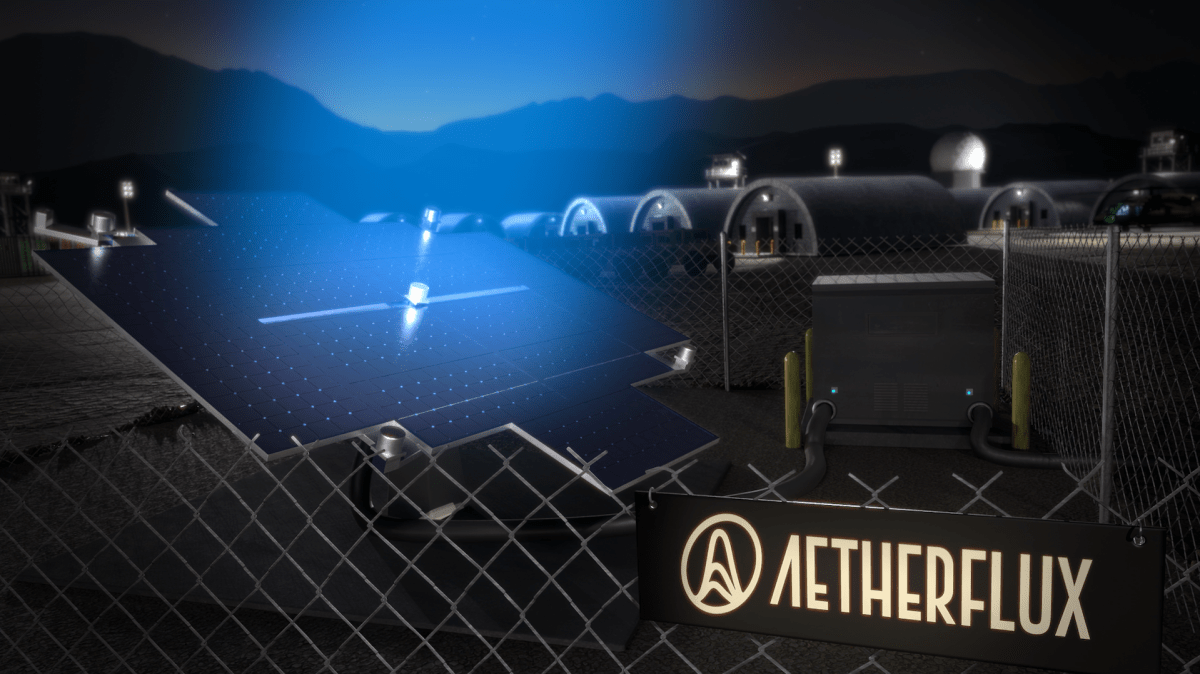
Uhlig Capital's climate tech exposure includes Aetherflux (space solar, $50M Series A), Karman Industries (manufacturing decarbonization), and broader climate tech access through fund managers like SpaceVC and Worldbuild who invest at the intersection of frontier technology and environmental impact.
